

Fleas or Allergies: What Is Making Your Dog Itchy?
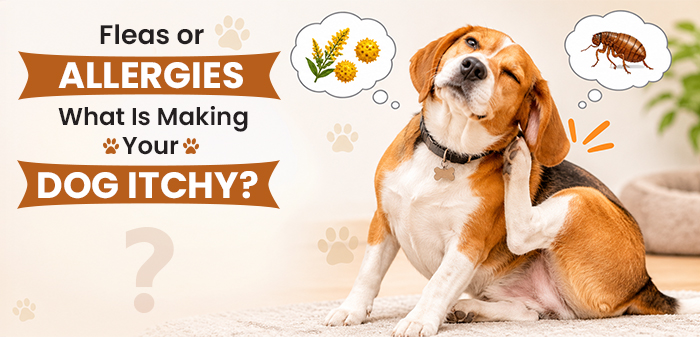
You may notice your dog suddenly scratching, licking, or chewing at their skin repeatedly. The itchy feeling makes them visibly uncomfortable, and you are wondering what has happened. Your first thought might be that your dog has fleas. Although fleas can be the cause, they are not the only reason. Dogs can also develop other environmental or food allergies, which may cause symptoms similar to those associated with fleas, e.g., itching. However, the appropriate treatment your dog needs depends on what is causing the itching. Understanding the possible causes can help you seek the right care for your dog.
This blog provides information about fleas and common allergies in dogs, their differences and symptoms, and available treatment and prevention options. Keep reading!
What are fleas and allergies in dogs?
Fleas are tiny, wingless parasites that feed on a host animal’s blood to survive. The warm, furry coats of dogs work as a favorable environment for fleas to feed and grow. Flea bites can cause itching and skin irritation in dogs, particularly those with flea allergy dermatitis.
Allergies are hypersensitivity to allergens or irritants in a dog’s environment. The immune system considers a harmless substance as a threat and causes the body to react negatively. Itching is one of the most common signs of skin allergy in dogs. The most common types of allergies in dogs include:
- Flea Allergy Dermatitis (FAD): Occurs when the dog is allergic to a protein in the flea saliva. The allergy sets off when fleas bite the allergic dog for taking a blood meal.
- Environmental allergies (Atopy): Occur when a dog comes into contact with environmental allergens, like pollen, grasses, dust mites, cleaning chemicals, molds, etc.
- Food allergies: Often a genetic trait, a dog develops food allergy when they are allergic to an ingredient in their food. Common food allergens include chicken, beef, corn, wheat, etc.
What are the signs of fleas or allergies in dogs?
Though some symptoms of fleas and other allergies look similar, they are not the same. In addition to itching, here are the signs to look for:
Signs of fleas and flea allergy dermatitis:
- Intense itching, scratching, licking, or chewing at the skin
- Visible fleas and flea dirt
- Hair thinning, especially in areas like the base of the tail, middle of the back, and on the abdomen
- Skin damage, like sores or scabs
- Crusts or pimple-like bumps on the skin
Signs of environmental allergies:
- Frequent itching, licking, or chewing at the paws
- Belly scratching
- Red, irritated skin
- Frequent ear infections
- Sneezing
- Watery eyes
Signs of food allergies:
- Itchy skin
- Discomfort near the anal area
- Recurring ear infections
- Digestive upset
- Vomiting and diarrhea
- Poor coat condition
Key differences between fleas and allergies
For a clear diagnosis and appropriate treatment, identifying the actual cause of your fur friend’s discomfort is important. The following differences may help you tell fleas and allergies apart:
| Factors | Fleas | Other allergies |
| Affected areas | Tail base, mid to lower back | Paws, ears, face, belly |
| Visible parasite evidence | Fleas or flea dirt | Usually no visible parasites |
| Symptoms (in addition to itching) | Skin sores, scabs, crusts, hair thinning | Red or irritated skin, ear infections, sneezing, digestive upsets |
| Impact on the skin | Bumps, crusts | Redness, inflammation, irritation |
Finding out what is causing the itching
Although symptoms can offer useful clues, identifying the cause of your dog’s itching may require a veterinary examination. Here are a few things you can check and observe:
- Run a flea comb over your dog’s coat and examine them thoroughly. If fleas are causing the itch, you will find fleas or flea dirt (especially around the base of the tail).
- Observe where your dog scratches, licks, or chews most often. The location helps a lot in identifying if it is flea allergy, environmental allergy, or food allergy.
- Be vigilant about seasonal patterns. If the itch becomes worse or returns with season change or certain time of the year, the culprit may be environmental allergies, such as atopy.
- Make a note of the recent changes in your dog’s food/treats. This helps identify the probable food allergen if the itch is caused by food allergy.
How to treat and prevent itching in dogs?
What treatment and prevention plan your veterinarian suggests depends on the type of allergy your dog has developed. Here are some general tips for treatment and prevention of fleas or allergies in dogs:
For fleas:
- Use a vet-recommended flea and tick treatment for dogs. There are a variety of options available in various formats, like chewables, tablets, topical solutions, wearable collars, etc. Simparica TRIO for Dogs is one such oral preventive treatment that treats fleas and ticks and also helps reduce the clinical signs of flea allergy dermatitis.
- Take the help of flea combs and other suitable grooming tools for regular grooming of your fur buddy. This can help catch the infestation early for timely treatment.
- Wash your pet’s bedding regularly and vacuum the areas they frequently visit to keep the environment clean of fleas.
- Keep all pets in the household on an appropriate flea prevention schedule recommended by your veterinarian.
For allergies:
- Use a vet-recommended, gentle dog shampoo, like Dermoscent ATOP 7 for dog. This can help soothe the itchy and irritated skin.
- Add a vet-suggested skin health-supporting supplement, such as Dorwest Omega Star, to your dog’s diet. This may also contribute to dog skin and coat care by supporting healthy skin and a shiny coat.
- In case of food allergy, choose vet-approved dietary options for your furry companion.
- Keep your pet and their surroundings clean to maintain hygiene and reduce the chances of environmental allergies.
When to see a veterinarian?
If you observe any of the following conditions, arrange a veterinary examination to identify the cause and discuss appropriate treatment:
- Open sores, bleeding due to severe scratching
- Development of secondary skin infections because of persistent scratching
- Frequent ear infections
- Excessive or worsening hair loss
- Persistent or severe itching that does not improve
- Sudden, widespread skin irritation or swelling
- Signs of pain, lethargy or reduced appetite
Summing up
Dogs can feel itchy due to fleas as well as other allergies. As some symptoms overlap, it is a bit difficult to find out the actual cause of itching. Monitoring your dog for symptoms and following your vet-recommended treatment and preventive care can help manage itching and improve your dog’s comfort. One thing to note: be consistent with your pet’s allergy care routine, as allergies can return anytime if not adequately cared for.